-
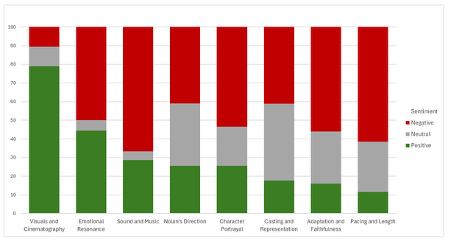
A Text Mining Odyssey: Using SV’s new AI Text Categoriser to analyse reactions to Christopher Nolan’s summer blockbuster
An analysis of 100 Guardian readers’ views on Christopher Nolan’s The Odyssey, using Smart Vision’s new AI Text Categoriser tool.
-

Which SPSS modules do I actually need?
One of the most common questions we get asked is some version of “which SPSS modules do I need?” It usually comes up at renewal time, or when someone has inherited a licence from a colleague and has no idea what’s on it, or when a procedure they were expecting to find in the menus…
-

What’s new in SPSS v32?
In April IBM released a new version of SPSS Statistics. The version 32 edition included new analytical procedures as well as some general usability enhancements. Read this blog to find out more.
-

Why EDB Postgres and why now?
Smart Vision Europe has recently become an accredited and certified Business Partner to EDB Postgres. Given our long heritage and deep expertise in the application of data science and AI technologies, this is a strategically important decision for our business.
-

What’s new in SPSS v31? A deeper dive
In June of this year, IBM released the latest iteration of SPSS Statistics. The version 31 release included a number of enhancements that include new analytical techniques as well as general usability improvements. In fact, users can see the details of each SPSS release by searching the Help system for ‘What’s new in SPSS’ or…
-

Behind the scenes of ChatSPSS: Why Smart Vision built an AI-powered SPSS Tutor
AI tools like ChatGPT are revolutionising how we work, but for analysts and researchers, the real value comes when AI is tailored to specific use cases. That’s the thinking behind ChatSPSS, Smart Vision Europe’s new AI-enabled tutor designed to help SPSS users get instant, accurate support with their statistical analysis.
-

Why researchers cannot replace SPSS with AI
Artificial intelligence (AI) is transforming the way we live, work, and analyse data. From generative AI models that can summarise papers in seconds to machine learning algorithms capable of detecting patterns in huge datasets, the technology is advancing rapidly. It’s no surprise that some researchers are asking: can AI replace SPSS?
-

From gut feel to data-driven strategy: how predictive analytics is transforming HR
In today’s volatile and highly competitive job market, the pressure on HR teams has never been greater. Organisations are finding […]
-
Running an old version of SPSS Statistics? Here’s why it’s worth making the move to the latest version
With v30 of IBM SPSS Statistics now released, should you consider an upgrade if you are running an unsupported version […]
-

Mastering data analytics with SPSS: A beginner’s guide to getting started
In this guide, we’ll take you through the basics of using SPSS, from navigating around the interface to performing your first data analysis, so you can start gaining valuable insights from your data.
-

What can RAG do for you?
Retrieval Augmented Generation (RAG) is an AI methodology that builds on the now ubiquitous LLM (Large Language Model) framework. RAG […]
-

Where to go for help, support and advice on SPSS products
In my last blog I wrote about why you’re always going to be better off buying SPSS from an IBM […]
-
SPSS is an IBM product, so why are you better off buying it from an IBM partner like Smart Vision rather than from IBM itself?
If you want to buy SPSS and you know that it’s developed by IBM then you might think (not unreasonably!) […]
-

When budgets and time are tight it’s the ideal time to invest in training
When budgets and time are both limited it can be hard to justify investing in training, particularly training for things you’re already using. However, investing time and money in exchange for the right training generally pays for itself (both financially and in terms of time saved) through attendees gaining additional skills which allow for more…
-

Key driver analysis – adding value to SPSS core functionality with additional capabilities
Smart Vision Europe has a decades long track record of working with the IBM SPSS software suite. Over this time, […]
-

Here’s how centralising SPSS Statistics licences through NHS Trust libraries can save your NHS Trust a significant amount of money
NHS Trusts (and their predecessors) have always been some of the most loyal and regular users of IBM SPSS Statistics […]
-

How SPSS can make tenant satisfaction surveys easier for social housing providers
For more than a decade we have been helping social housing providers gain insight and understanding into how their tenants […]
-

Why SPSS is a much better choice than Excel for data analytics
The volume and nature of the data that most organisations hold these days mean that the analytical possibilities are great. […]
-

What is the difference between data science and machine learning?
While data science and machine learning are related, they are very different fields. In a nutshell, data science brings structure to big data while […]
-
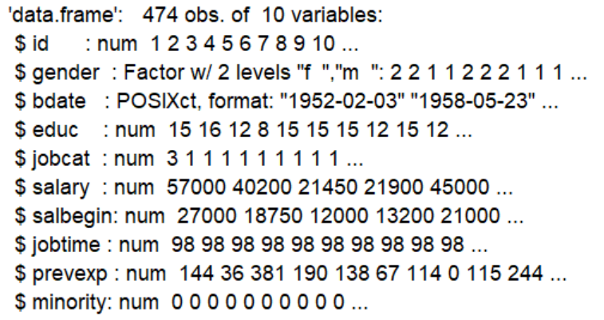
Working with R in SPSS Part 1: The Basics
In this four-part blog series, we’re going to take a look at working with R in SPSS. We’ll begin by […]
-
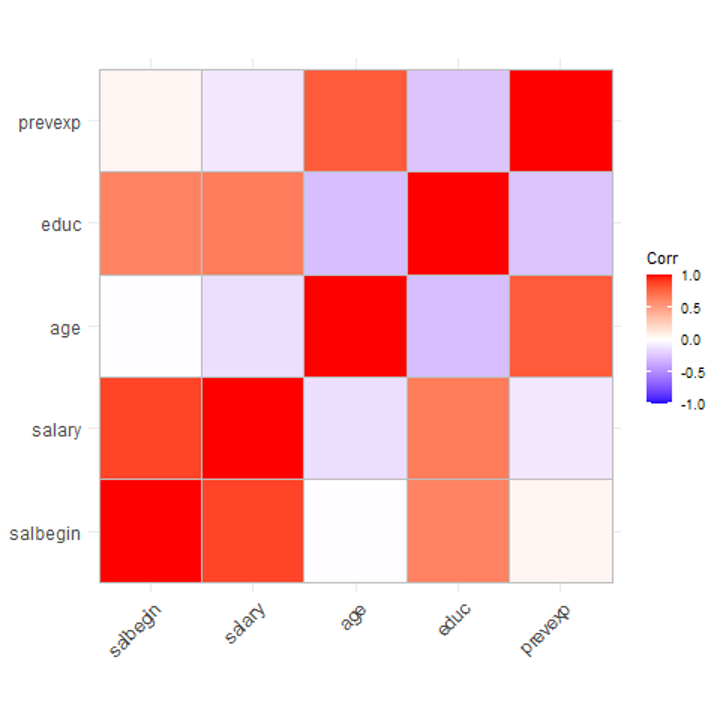
Working with R in SPSS Part 2 – Working with R Packages
In the previous blog post, we looked at the basics of running R procedures in SPSS syntax. In this post, […]
-
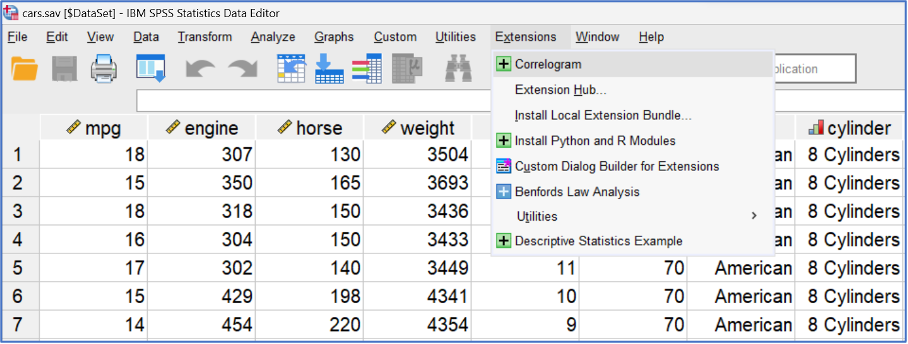
Working with R in SPSS Part 3 – Creating Custom Dialogs
Previously, we explored how to install and load an R package to generate correlograms by executing R code within SPSS […]
-
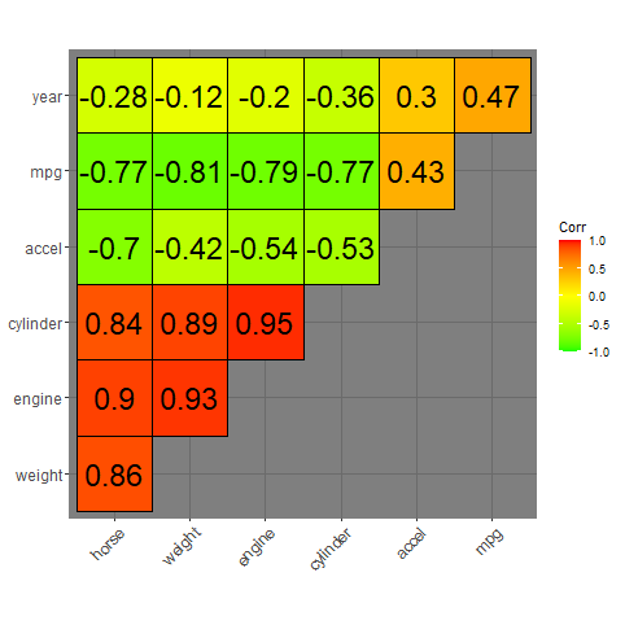
Working with R in SPSS Part 4 – Adding options to Custom Dialogs
In the previous blog post, we created a basic custom dialog using R code in SPSS Statistics that allowed us […]
-
Background to SPSS and PS IMAGO
PS Imago Pro is a result of the mature and long established IBM SPSS Partner Ecosystem. IBM encourages its partners to use their skills and expertise to develop additional functions and features that further enhance the core SPSS product that IBM offers, without diluting any of the existing functionality of that core product.
-
How to solve the most common data cleaning problems in SPSS Statistics
Here are a list of some of the most common data cleaning problems that you are likely to encounter and which SPSS procedures help to resolve them.
-
Resources to help you accelerate your data analysis with SPSS
IBM SPSS Statistics provides a powerful suite of data analytics tools which allows you to quickly analyze your data with […]
-

How can you best turn your data science insights into action?
How to turn insights into action One of the challenges that organisations most commonly face when conducting data science and […]
-

Cloud AI at the cutting edge: taking DataRobot for a spin
Smart Vision Europe recently announced an exciting new partnership with DataRobot, a rapidly rising player in the data science market […]
-
Announcing Smart Vision’s new business partner relationship with Data Robot
At Smart Vision Europe we have many years of experience helping our customers successfully get started with applying and getting […]
-

What’s new in IBM SPSS Modeler 18.3?
SPSS Modeler is a robust data science software for professional analysts and data scientists. The software scales from supporting line-of-business predictive analysis to enterprise-scale […]
-

What skills are needed to successfully run data science projects in the cloud?
In my most recent blog post I wrote about the benefits and opportunities that cloud computing brings to data science […]
-

Using text analytics to get value from unstructured data
What is unstructured data? The data you have access to within your organisation can be broadly sorted into two categories: […]
-

Why data science presents the best use cases for cloud computing
We are living through a golden age of technological innovation and revolution. Whether it’s the blending of real time data, […]
-
5 reasons why an SPSS Statistics Digital subscription makes data science more accessible
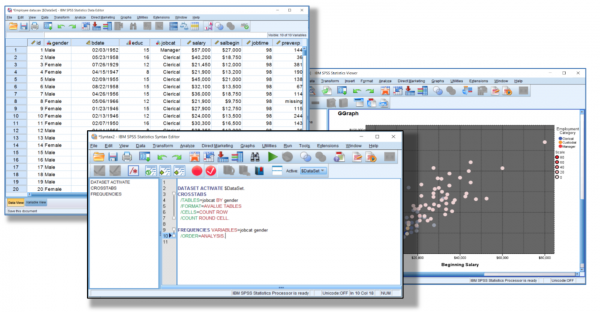
One of the wonderful things about IBM SPSS Statistics is its ubiquity. I realise that it is not a household […]
-

Introduction to Power Analysis
In this series of ‘eat your greens‘ posts looking at core statistical concepts in more detail, we have looked closely […]
-

Making sense of significance tests
A worked example of a classic inferential statistical procedure: the independent samples t-test.
-
Understanding correlation
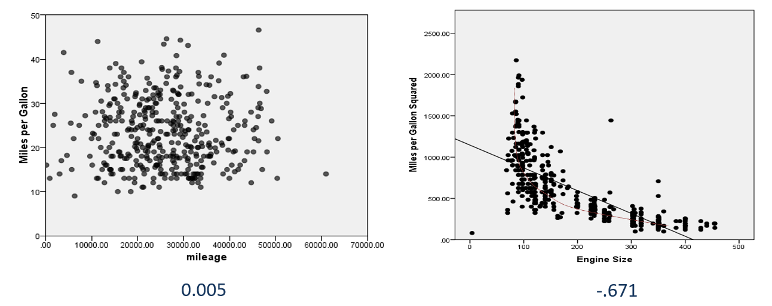
This is the latest in our ‘eat your greens’ series – a back to basics look at core statistical concepts […]
-

The gateway to inference – the standard error and confidence intervals
This is the fifth post in our ‘eat your greens’ series – a back to basics look at some of […]
-
Finding normality – why is the normal distribution so important when we so rarely encounter it in real life?
This is the fourth post in our ‘eat your greens’ series – a back to basics look at some of […]
-

Are algorithms evil?
None of us can have failed to notice the recent debacle over Ofqual’s (the Office of Qualifications and Examinations Regulation) […]
-

What’s ‘standard’ about a standard deviation?
This is the third post in our ‘eat your greens’ series – a back to basics look at some of […]
-

Testing versus inferring
This is the second post in our ‘eat your greens’ series – a back to basics look at some of […]
-

Just because something is statistically significant doesn’t mean it’s practically significant
What do we mean when we say something is statistically significant? A guide to one of the most misused concepts in statistics.
-
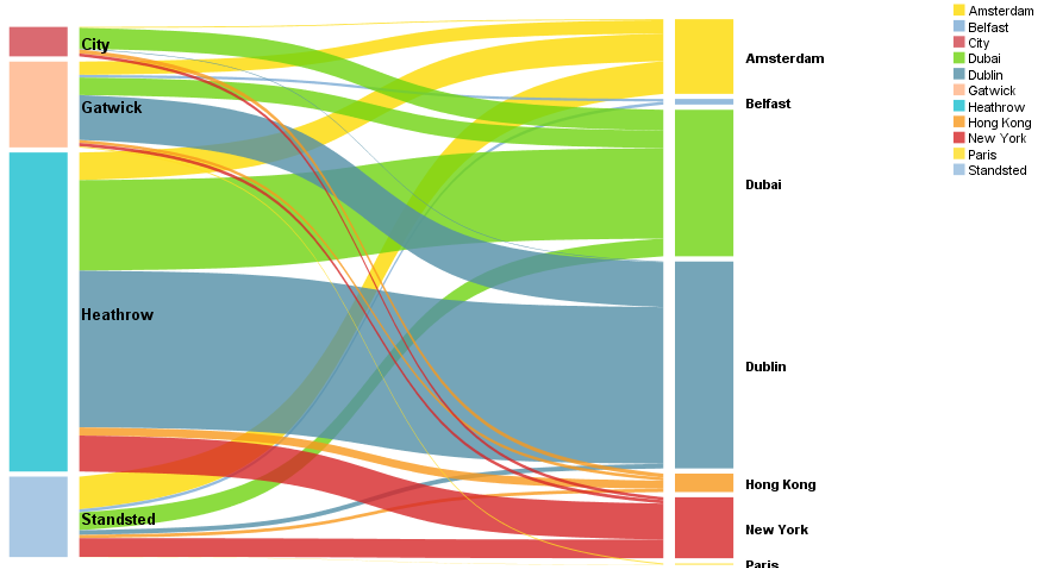
PS Imago Pro – an overview of additional charting capabilities not available in IBM SPSS Statistics
PS Imago Pro is a statistical analysis and reporting solution based on IBM SPSS Statistics. Indeed, apart from the inclusion […]
-
Adding New Modules To Jython Scripting In IBM SPSS Modeler
IBM SPSS Modeler supports Python scripting using Jython, a Java[tm] implementation of the Python language. Modeler versions 16 and 17 use […]
-
Using the find all() Function to search for nodes
Most SPSS Modeler scripts include code that locates an existing node e.g.: stream = modeler.script.stream() typenode = stream.findByType(“type”, None) However, […]
-
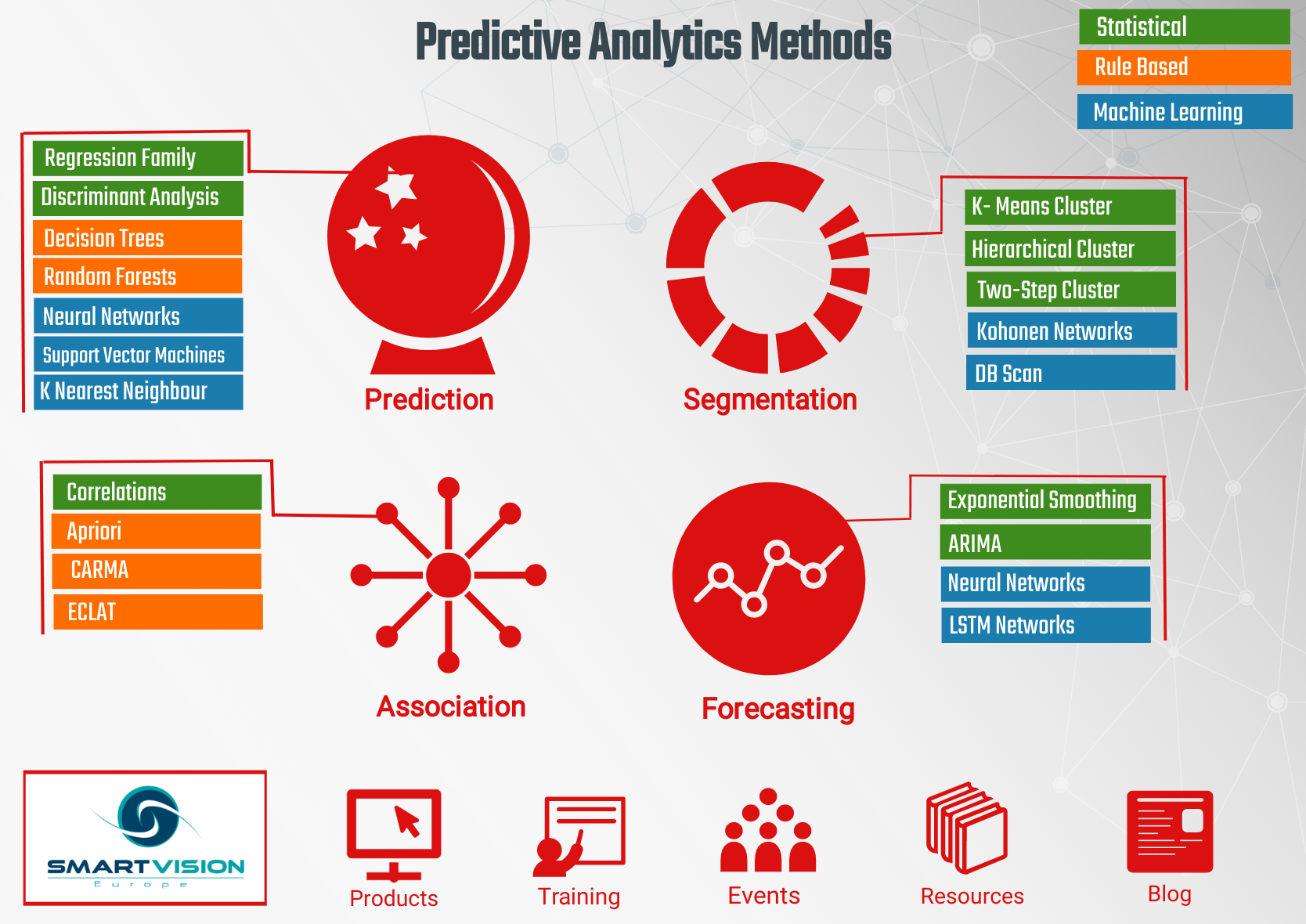
An overview of the four main approaches to predictive analytics
This infographic provides an overview of the four main families of approaches to predictive analytics. Prediction encompasses applications that aim […]
-
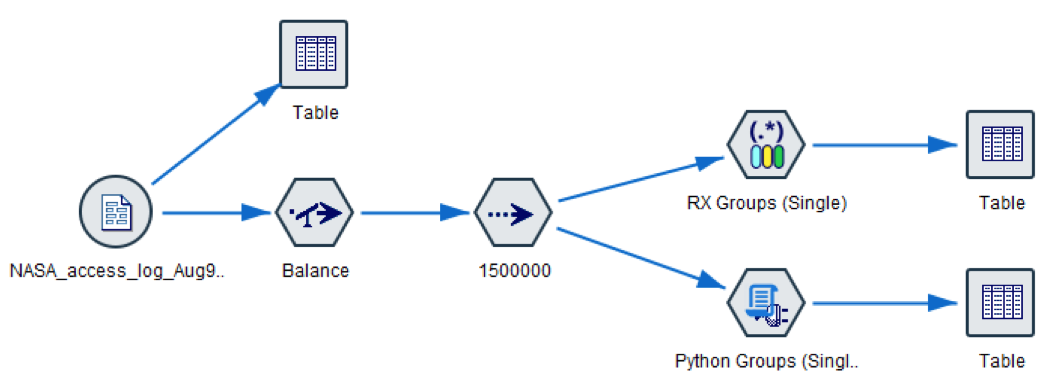
Using SPSS Modeler’s cache_compression setting to speed up your modelling
There are a number of configuration settings associated with IBM SPSS Modeler Server that control its behaviour. The default settings […]
-
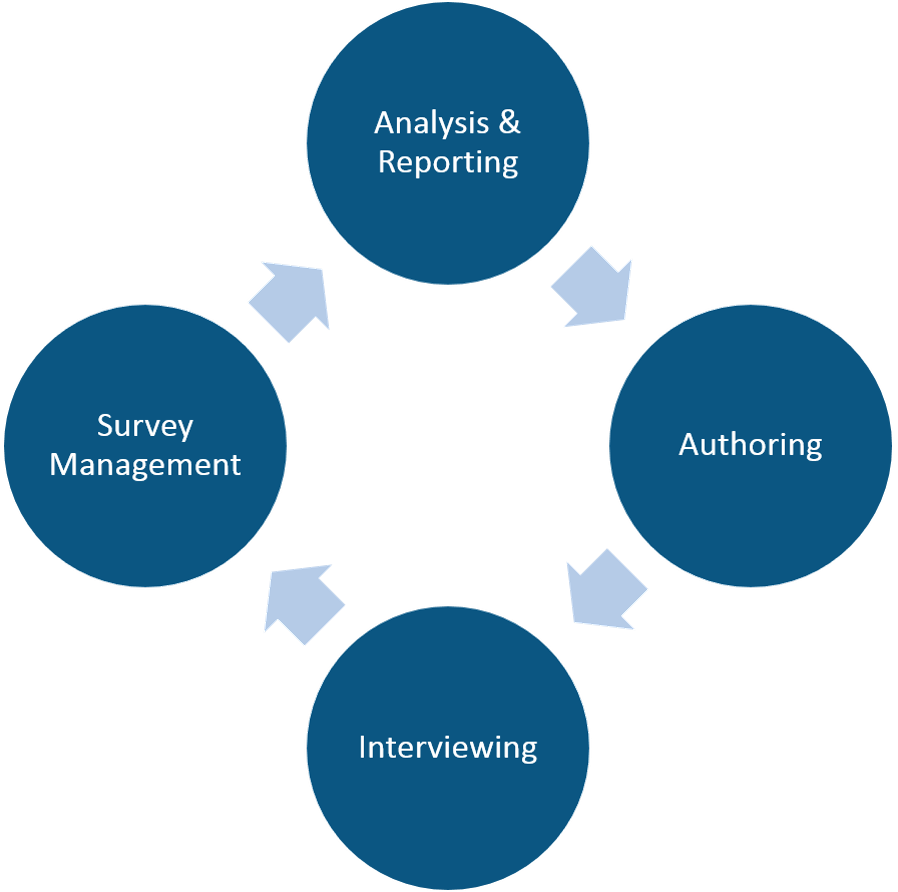
What ever happened to Data Collection Reports for Surveys?
The good news is, it is a product that is still very much alive and in development, albeit it has […]
-

Choosing a predictive analytics project
At Smart Vision we’re in a pretty strong position to talk authoritatively about the reality of predictive analytics. That’s because […]